Cornish Coastal Habitats

A deep dive into the different Cornish coastal habitats and their threats to the wildlife that has adapted to survive in these harsh and mostly manmade habitats of the Cornish coast line.

Heathland Habitat
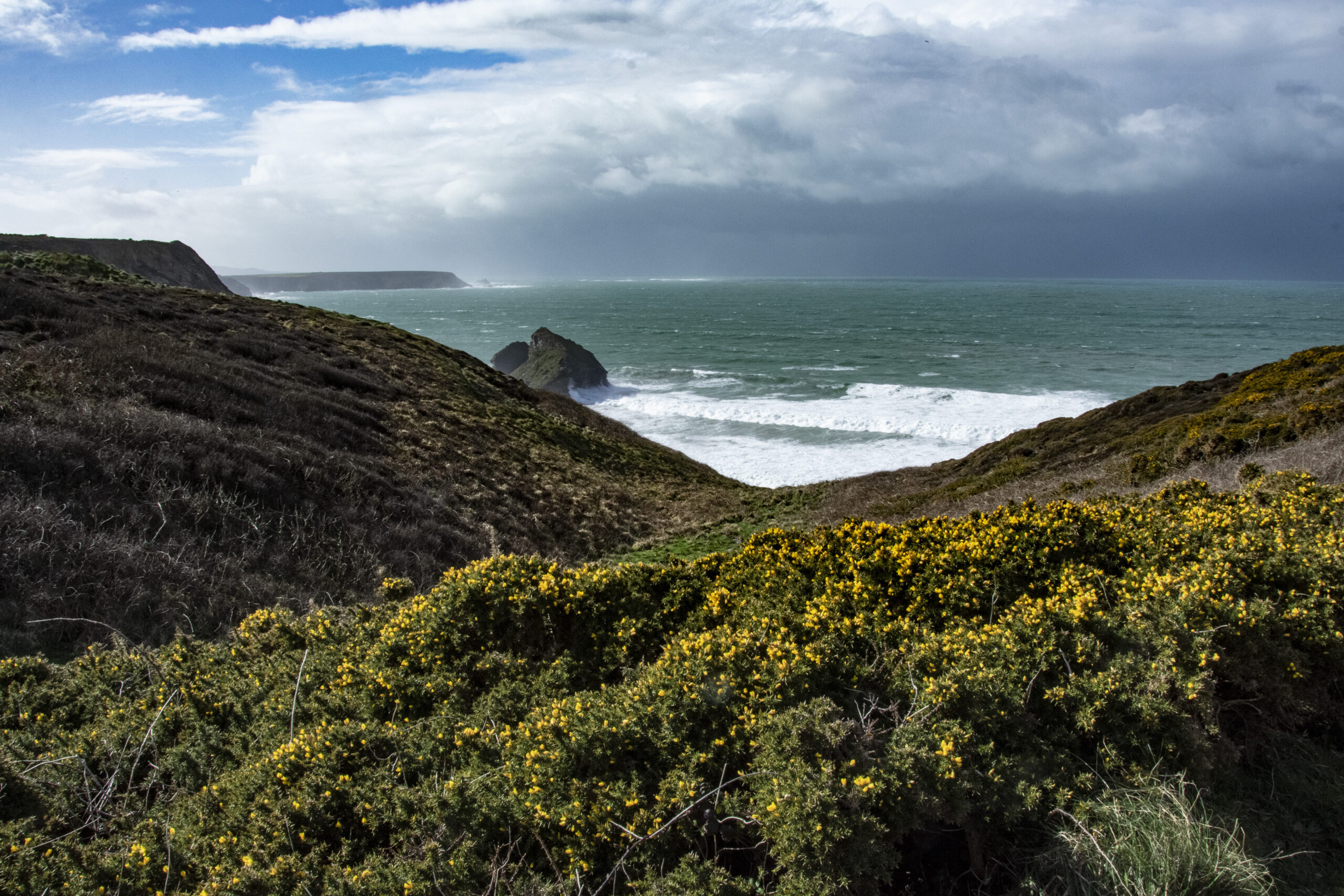
The most recent threat to Heathland habitats consists of a higher demand for agricultural grassland. Between the years of 1920 and 1988 alone, the UK has lost 44% of a heathland. This in just 68 years. Most heathlands where historically man-made habitats that occurred on infertile or deforested land during the stone age; although in some coastal area’s heathlands developed naturally as the wind and harsh weather conditions prevented other less resilient plants from growing. Conservation of heathland habitats are critical to many of the specialised wildlife species that reside in such areas. However, despite efforts to conserve heathland, habitats are still being lost due to continued high demands for changes in land use. This means that heathland has further declined and fragmented across the western coast of the UK. Since the 1800’s the UK’s heathland habitats have declined by 80%, leaving only around 20% of heathland in the UK today.

Grassland Habitat
Chough (Pyrrhocorax pyrrhocorax)
Grassland habitats are normally part of a farm and are managed through grazing rotations of farm animals like sheep, cows and goats. Grazing rotations allow for grass to grow longer in some places while other are kept shorter in the effort to prevents over grazing of certain areas. Clifftop grassland is an important habitat for many species of animals. The Chough’s population have been most distinctly impacted by changes to the clifftop grassland. The coastal grassland’s habitat is essential for the survival of the Chough’s, which went extinct in England in 1948 due to changes in the grazing management of the grassland. However, in 2001 some of the Irish Chough population immigrated to Cornwall and bread successfully in 2002. Since then, the Chough population has continued to steadily increase. The Chough’s of the UK rely heavily on farmers following the correct grazing management in order help sustain the population along the coast of Cornwall.

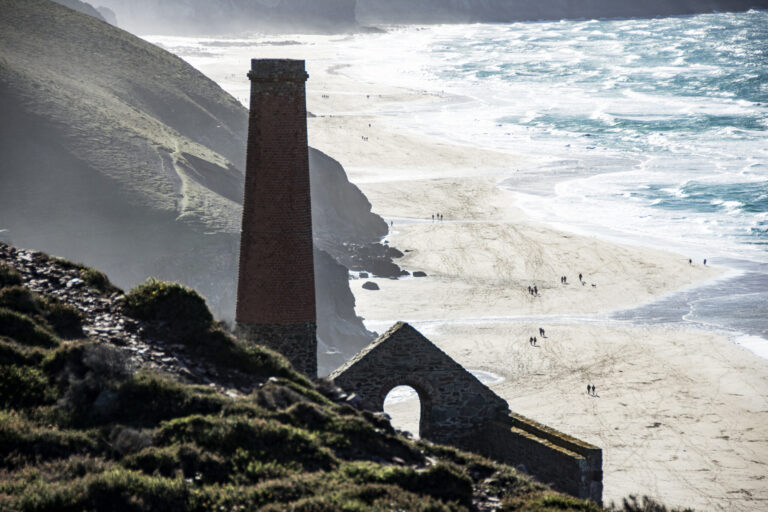
Derelict Buildings
Land use changes in recent times has seen urbanisation of some areas while others became derelict. Urbanisation is forcing more animals to adapt to different ways of life, causing some animal populations to become fragmented while others thrive in their new urban habitat. Abandoned and derelict building provide vital shelter and resting places for many migratory birds, as most birds will try and cross the sea in a single flight. For example, starlings find abandoned buildings to be essential night-time
roosting sites over autumn and winter because of the shelter they provide. Many species of birds are adapting to urbanisation, meaning that derelict buildings are now proving to be valuable nesting sites across the UK. How land use changes looking forward will continue to affect how our wildlife must adapt in order to interact with the ever-changing environment due to humans demanding for more.
References
T.H. Blackstock, J.P. Stevens, E.A. Howe, D.P. Stevens, Changes in the extent and fragmentation of heathland and other semi-natural habitats between 1920–1922 and 1987–1988 in the llŷn Peninsula, Wales, UK, Biological Conservation, Volume 72, Issue 1, 1995, Pages 33-44, ISSN 0006-3207
Croft, S., Wotton, S., Lock, L., Brown, A. and Carter, I. (2003). The restoration of the Red-billed Chough in Cornwall. British Birds, Volume 96, pp.23–29.
James Reynolds, S., Ib..ez-.lamo, J.D., Sumasgutner, P. et al. Urbanisation and nest building in birds: a review of threats and opportunities. J Ornithol 160, 841–860 (2019).
K.psel V. (2019) Landscape Narratives in Cornwall and their Implications for Climate Change Adaptation. In: New Spaces for Climate Change. RaumFragen: Stadt – Region – Landschaft. Springer VS, Wiesbaden. Chapter 5 Page 89-129